It is important to embrace neurodiversity within the ever-changing landscape of childhood development. Children who suffer from disorders like ADHD or autism require environments that support their individual strengths and allows them to flourish. This is where the synergy of ADHD support, autism sensory play, sensory integration toys, and mindful toys for kids comes into play. Through integrating these elements into the daily activities of children, educators and caregivers can design enriching and stimulating experiences that foster holistic growth.
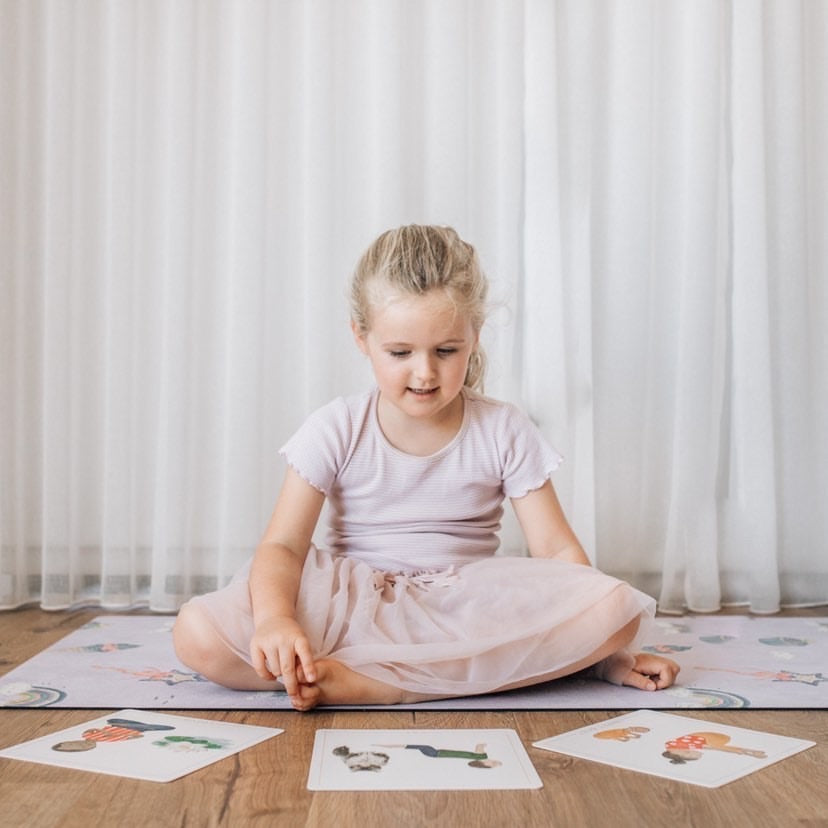
ADHD Assistance for Children: Building Confidence and Focus
Children suffering from ADHD often face challenges in staying focused and controlling impulses. In order to provide effective support, you must utilize strategies to stimulate the child’s thoughts while respecting their individuality. Toys that encourage peace and calm for children can be a great help. These toys give a tactile experience that helps to ease restlessness and teaching children to focus their focus in a deliberate manner. Mindfulness practices can be incorporated into playtime to alleviate ADHD symptoms, but they also teach important life lessons such as stress reduction and emotional regulation.
Autism Sensory Play: Nurturing Expression and Exploration
Sensory activities can be enriching as well as challenging for children with autism. Autism sensory play focuses on creating a space that stimulates the senses while assisting in the development of key skills. Sensory integration toys are an essential part of this approach. They are made to allow multiple senses to be engaged simultaneously. They facilitate exploration through sensory as well as cognitive development and coordination. Through engaging their tactile, visual, auditory, and other senses, kids are able to better express their feelings and learn about their surroundings. Autism sensory play empowers children to communicate and increase confidence in themselves.
Sensory Integration Toys : Building Bridges to Child Development
Sensory integration toys function as bridges to connect children to the world around them. They are available in different textures, sizes and shapes that focus on different sensorial and motor skills. They give children the opportunity to discover and adjust to sensory inputs, ultimately helping in the development of sensory processing skills. The three major benefits of sensory toys are
1. Enhanced Sensory Perception: Sensory integration toys expose children sound, tactile, and visual clues. The experience helps the brain better process sensory data, improving their response to stimuli.
2. Improved Motor Skills: Many sensory toys require intricate hand movements as well as fine motor skills and hand-eye coordination for manipulating. Through playing with these toys kids can build their motor skills and their dexterity. This can lead to improved physical control and confidence.
3. Multisensory toys may stimulate multiple brain regions simultaneously. This engagement contributes to cognitive growth by fostering connections between different neural pathways, enhancing thinking skills and creativity.
Mindful Toys for Kids: Nurturing Peace and Concentration
The concept of mindfulness is gaining popularity due to its impact on our psychological well-being. The toys that children play with are mindful and include mindfulness components into their play to encourage them to remain focused and in the moment. These toys usually involve activities which require lots of concentration. Like, for instance, coloring, puzzles or guided relaxation. These types of activities allow children to concentrate their attention and energy focused on the task and can be advantageous for them academically and socially.
In the realm of ADHD assistance, autism sensory play, sensory integration toys, and other toys that are mindful for children it’s crucial to recognize the holistic approach that emerges from their interconnection. They aren’t separate but rather, they are a part of a larger picture to form a strategy that’s designed to meet the needs of children with neurodiversity. Parents can create an environment where emotional, cognitive and sensory needs are met while incorporating mindful activities and sensory play in their daily routines.
To end, the journey to help children who have ADHD or autism requires embracing both their strengths and challenges. Caretakers and educators can create an atmosphere that is nurturing through the use of sensory play, toys that integrate sensory input, and mindfulness methods. It doesn’t matter if it’s helping control, fostering self-expression or enhancing the ability to process sensory information, or increasing mindfulness, each element is a part of a holistic approach to child development. When we unlock the potential within these methods, we can pave the way for a brighter future for all children, regardless of neurodiversity.