In the ever-changing and dynamic world of academia, effective communication and knowledge sharing is essential. As research and academic papers are able to transcend boundaries, language can be a major obstacle. This is the reason why academic translation, in particular paper and journal translation, becomes a crucial tool. This article focuses on the intricacies and significance of academic translation, and sheds an understanding of its role in bridging language gaps and in facilitating international exchanges of research.
Understanding Academic Translation
Academic translation is a type of translation which deals with the conversion from one language to another of academic texts such as research documents, journal articles as well as scholarly work. It’s a challenging task that requires not only an understanding of the language but also a thorough knowledge of the subject as well as the context of academic research.
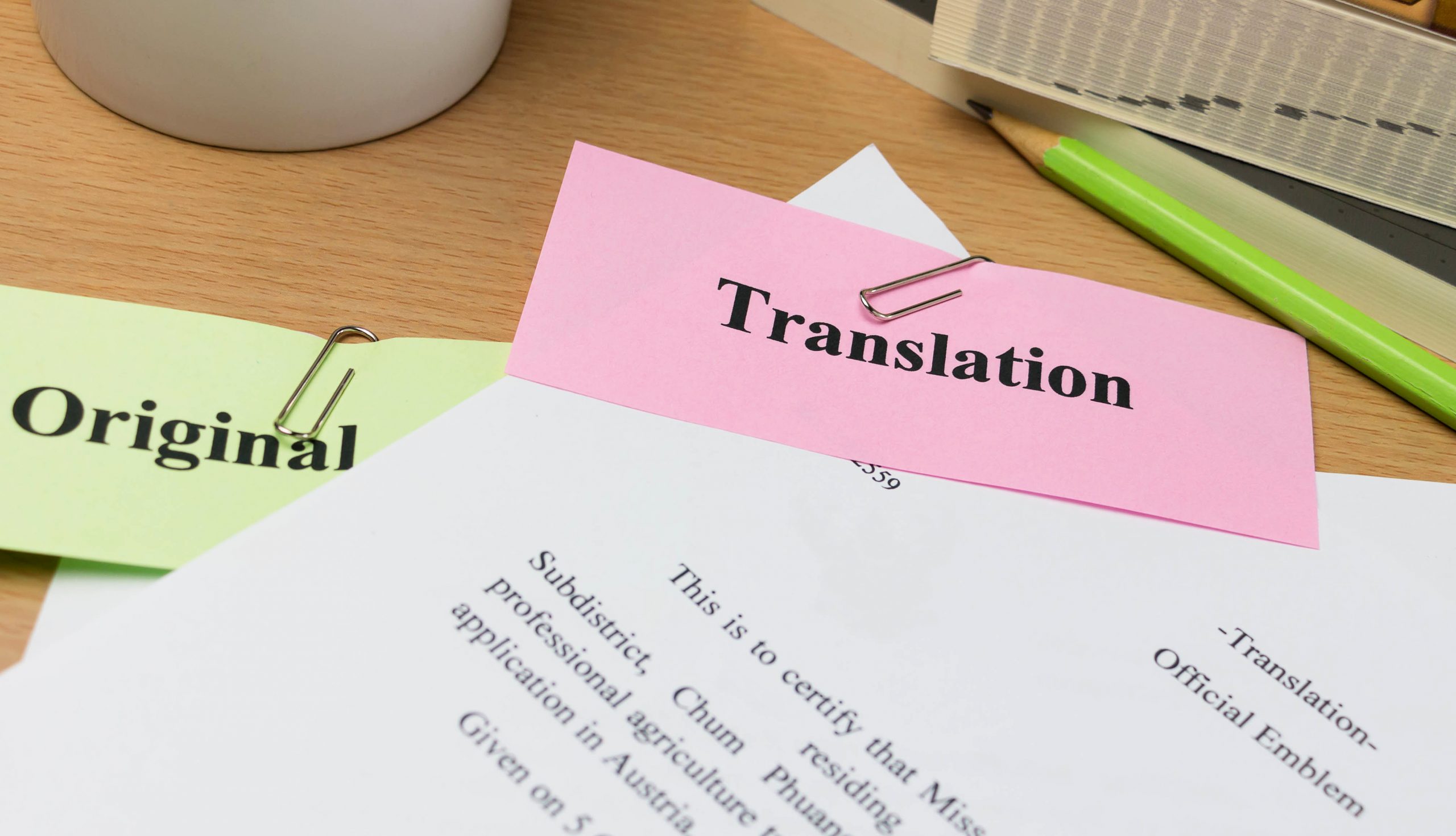
Academic translation is designed to preserve the tone, essence, and purpose of the original document while translating it into another language. The translated version must read in the same way and with the same clarity like the original.
The Importance of Paper Translation
Research papers are vital for academic advancement and knowledge exchange. The effect of a research paper that is written in a language other than English can be greatly diminished. In this case, translation of the paper can be essential.
Paper translation is the process of translating research findings, methodologies discussions, findings, and discussion from the original language into the target language, which is typically English to be distributed globally. This helps ensure that research reaches a wider audience, and allows collaboration, critique and contributions from scientists around the world.
Journal Translation: A Guide to the World
Journals are the backbone of academic communication. Researchers can utilize journals to communicate their findings and discoveries with the world. But, language barriers can hinder this crucial dissemination of information. Journal translation addresses this issue.
Translation of academic journals involves the translation of abstracts, articles additional materials, and other aspects into foreign languages. Through this, academic journals can reach an international audience, and ensure that valuable research is accessible and comprehensible to a wider academic community.
Academic documents that are translated Their role
Translation of academic papers is one aspect of translation which focuses on translating research papers into an intended language, while keeping the original purpose and meaning. The aim is to maintain the integrity of research and make it more accessible to a larger audience.
To translate academic papers, expertise in the field is vital. Academic translators must be proficient with the complexities of terminology, techniques and nuances unique to their specific field of study. They must also be aware of academic writing styles in order to ensure an accurate translation and matches the original. For more information, click 學術論文翻譯
Unveiling the Process
The process of translating academic content, whether for journals or papers, is a systematic approach to ensure accuracy and quality. Here’s a brief overview of the most common procedures:
The first step is to read the paper or journal to assess its subject matter, scope and the level of complexity. This allows for the creation of a translation strategy that is suitable.
Glossary and Terminology: Creating the glossary of terms that are specific to the subject is essential. Consistent use of terminology across the translation is crucial to ensure precision and coherence.
Translation: This is the primary step that the text is translated from the source language to the target language. Translators take care to choose words and expressions that convey the meaning of the original precisely.
Review and Editing: The translated content is checked and edited to ensure that it corresponds to the original document or journal’s intentions. Any discrepancies or errors can be corrected in this stage.
Proofreading: The final text undergoes thorough proofreading to eliminate any remaining mistakes in grammar or punctuation.
The Youyitang Approach
Youyitang is known as a company that is reliable and skilled in the field of academic translation. It stands out because of its commitment to the most high academic standards. They employ academic translators who have robust research backgrounds and rigorous academic training as well as a solid writing ability.
Youyitang takes great care to deal with each manuscript with precision. The translated work reads just the same as the original and leaves no trace of the translation. This level of finesse is vital to ensure that the essentials and integrity of the work are preserved in the translation.
Breaking Language Barriers: The Global Impact
When they engage in academic translation researchers and scholars are able overcome barriers to language and ensure that their important contribution is acknowledged and appreciated throughout the world. It is difficult to overstate the impact that academic translating. It helps facilitate collaboration, promotes diverse perspectives, and fosters a rich academic discourse that transcends geographical boundaries.
In conclusion, academic translation whether it is in the form of paper or journal translation is an effective tool for facilitating the exchange of information in the academic world. Academic translation is becoming increasingly crucial as the world becomes the global community of scholars. It fosters cooperation, understanding, and progress across various disciplines of study.